French Flair with Marie de Tilly.
ART OF LIVING

Marie de Tilly, photography by Lucas Lehmann
Photography by LOUIS DUVINAGE
writing and art direction by James V. Thomas
Marie de Tilly offers insights into French style as shaped by its cultural heritage and etiquette.
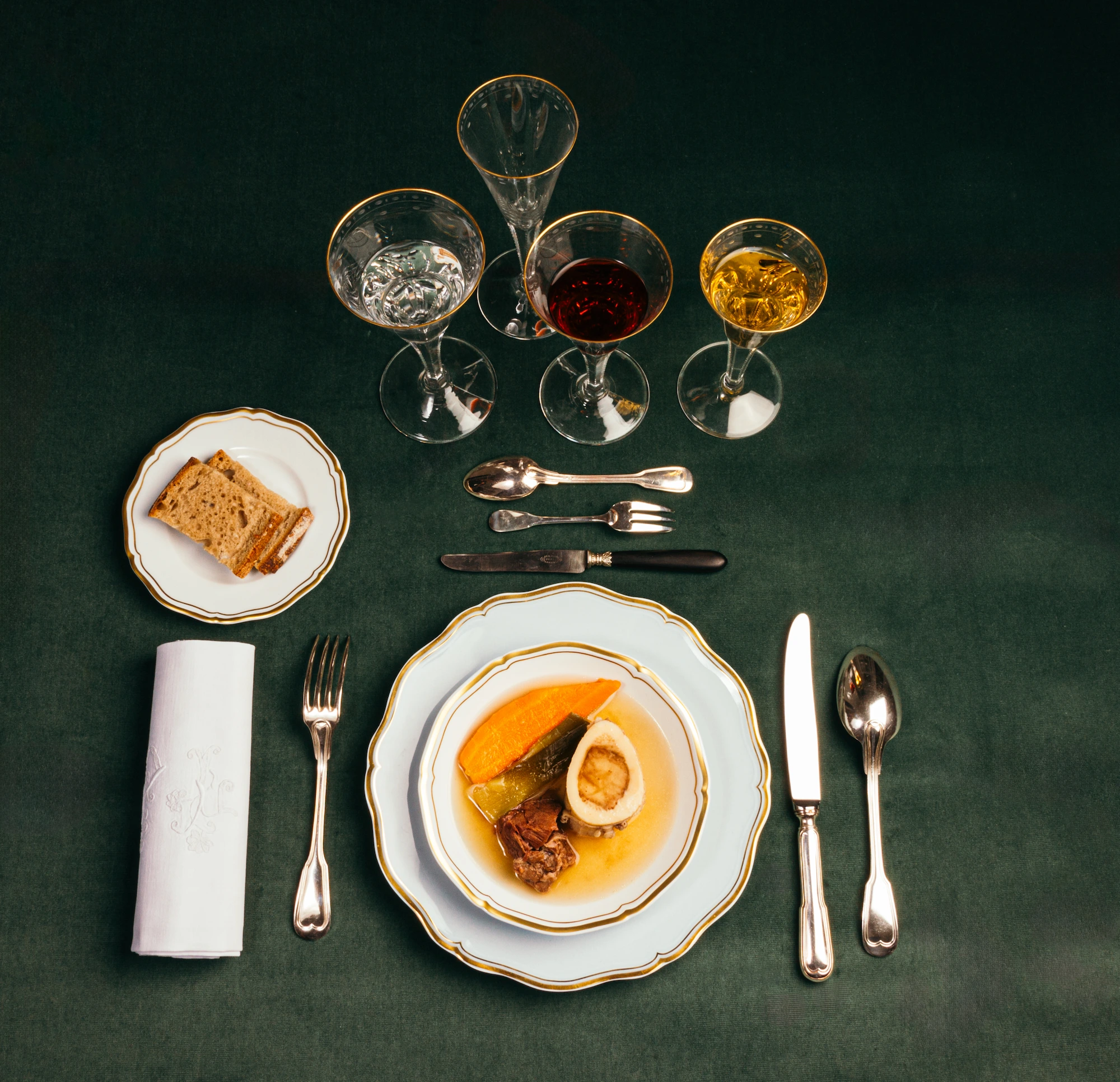
Formal French table arrangement.
Manners and decorum are fundamental elements of any civilized culture, rooted in specific meanings and intended to support communication and respect. They remain essential for polite interactions. France, known for its lifestyle and daily rituals, has experienced a gradual shift away from many of these norms in modern times. Instead, they endure and are highly valued within select social circles and professional settings. Rather than seeing these conventions as restrictive, one might view them as nuanced expressions of understanding that enrich everyday life, turning potentially awkward moments into smooth and legitimate exchanges.
Manners and decorum define a culture by highlighting situations that require careful attention. Having a French mother-in-law offered valuable insight into this somewhat mysterious area. The wide range of silverware and its placement, the sequence of plates and order of dishes during a formal dinner, and the topics considered suitable for discussion - all resemble American practices but carry distinct traits. In the Western world, much of our etiquette and table manners trace back to Italy, France, and England. Notable examples include Giovanni della Casa’s 1558 book “Galateo,” written by the Italian poet, diplomat, clergyman, inquisitor, and writer, which set the tone for 16th-century etiquette regarding dress and interaction- a guide that still shapes conduct today. The term “etiquette” itself, from 17th-century France, arose when Louis XIV’s gardener placed signs (“étiquets”) on the lawn to keep visitors from stepping on the grass. This practice grew to cover rules about where to stand, sit, and how to address one another at court.
In French etiquette, a particularly charming aspect is the emphasis centers on women. Whether arranging a woman’s seat in a restaurant with a view rather than against a wall, or waiting for the hostess to sit before taking one’s own place, gallantry is clearly present. It remains unspoken yet visible in natural gestures. I recently met with the French countess Marie de Tilly to discuss etiquette and her views. Marie is an authority on French etiquette, often organizing events to guide people worldwide in social interactions. As a TikTok star (username: comtessemarie_) with over 140,000 followers, she uses social media trends to reach younger audiences. Over the past two decades, she has appeared on television and in interviews, using her knowledge to share French etiquette. This led me to request an interview. How might the cultural legacy within manners and etiquette be conveyed to the next generation in an organic way?
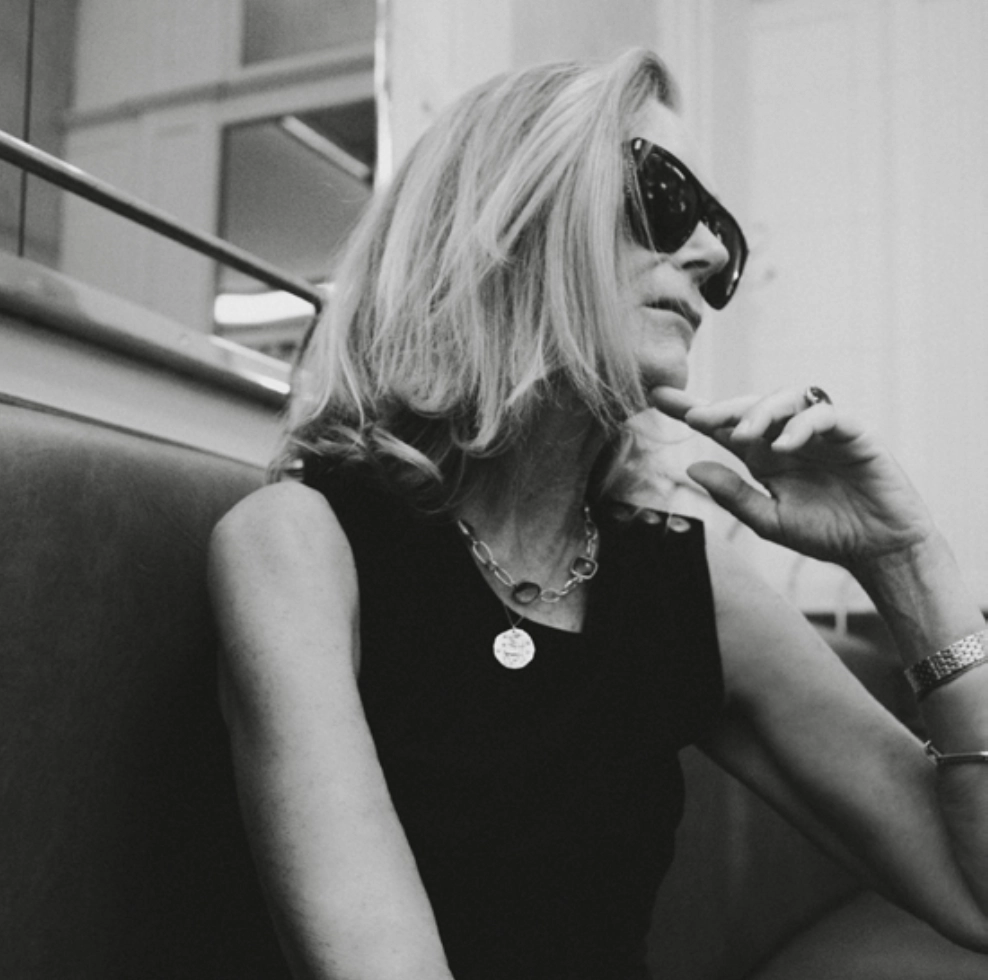
"Pay attention to your gestures. Whether walking, sitting, or placing your hands, awareness is key."
James: Marie, it is truly delightful to have you join us for this interview.
Marie: I am equally pleased to be here with you.
Could you share a bit about the France you remember from the past?
Certainly. In the past, the France I recall was perhaps characterized by more respect and attentiveness toward others. While not idealizing the past, I sense a certain level of genuine respect that has evolved over time. Today, it’s a different landscape, and I find merit in the present period as well.
How would you describe the France you know today?
Today’s France is marked by speed. As a journalist, one observes the extensive use of social networks, such as Instagram. Whether this heightened visibility is beneficial or not is a question open to interpretation. The positive side, in my opinion, lies in the increased ease of communication with people worldwide.
Who are some individuals who have left a significant impact on you?
That’s a challenging question. During my upbringing, my father played a crucial role. He had a remarkable ability to engage with a diverse array of people in different styles, which I consider a valuable lesson. I’ve always sought to broaden my horizons beyond my immediate circle. My father, being a diplomat, exposed me to individuals from various countries, enriching my education. Apart from him, my romantic partners have also influenced me significantly. I’ve been drawn to individuals who are notably atypical yet consistently interesting. Of course, I must mention my husband; his influence is undeniable. While some women have impacted me, none stand out in particular.
Who, for you, embodies an exemplary man?
I don’t adhere to the idea of an exemplary man. While some individuals may be considered exemplary, I don’t hold a perfect image in mind. If asked about charm and elegance, I would envision an Englishman. Frenchmen exude charm, but the English possess a distinct air of distinction.
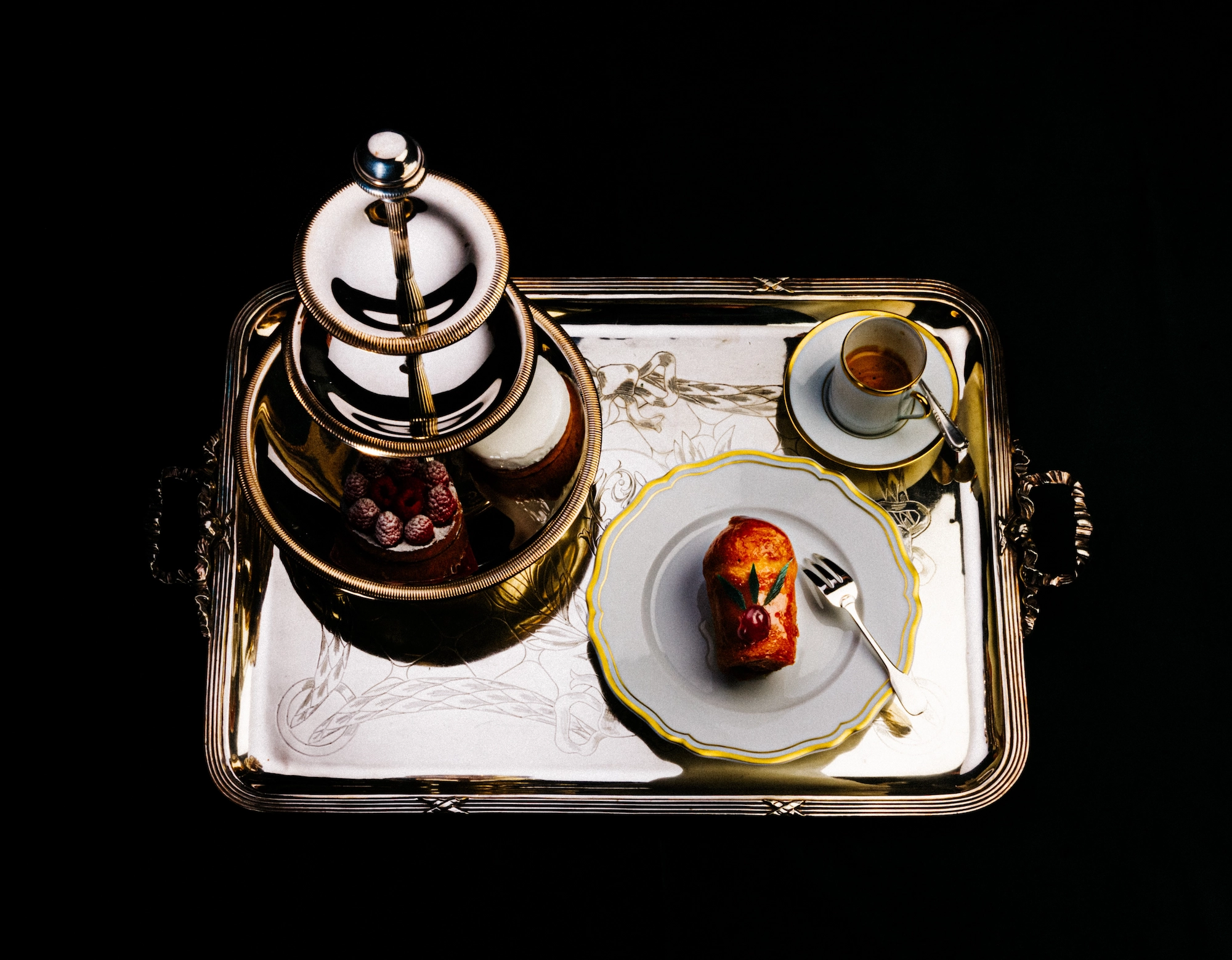
Coffee and desserts.
Could you share a childhood memory that shaped your understanding of French etiquette?
Certainly. I recall a story my father shared with me. While I was still in thecrib, my father hosted the King and Queen of Greece. He was perturbed because the Queen had torn stockings - a significant faux pas in his eyes. This incident left an indelible mark on me. It underscored the importance of attention to detail. Assessing someone’s details reveals whether they are refined, elegant, or not.
Do you have advice for our readers on daily rituals to enhance themselves or how they are perceived?
I have three tips. Firstly, be mindful of your appearance. The initial impression matters significantly when meeting someone for the first time. Secondly, pay attention to your gestures. Whether walking, sitting, or placing your hands, awareness is key. Thirdly, and most importantly, mind your language. Take care with your vocabulary, accent, and the way you express yourself. The words and adjectives you choose speak volumes about your education.
What are key elements that define French grace and sophistication?
The essence lies in a natural attitude. In France, both women and men embrace their natural selves but refine them. A quote from the 16th-century writer Nicolas Boileau captures this sentiment: “Soyez simple avec art,” meaning, “Be simple, but not too simple.” Developing one’s natural side is charming and graceful in France. Men, in particular, should possess a good conversational ability, as the charm of a Frenchman lies in how he communicates with a woman. French men excel in this aspect, displaying elegance in their conversations. The natural masculine charm involves acts like opening doors for women, letting them enter first, and other courteous gestures. French women exude charm through their naturalness, a quality readily observable on the streets. In comparison, Americans, for instance, might appear less natural, though of course, effort goes into cultivating that impression. Nothing comes without effort.
Are there phrases or gestures you find people saying or doing that they shouldn’t?
This is an intriguing question, as there’s often a repetition of words. For instance, in French, some individuals might say “I am going to eat” instead of expressing it more eloquently, like “I will dine” or “I will have lunch.” There’s a certain refinement in language that should be upheld - the verb to eat is mainly reserved to animals. Additionally, I find it inappropriate when people eat off the end of a knife - a practice that’s not only unsightly but also potentially hazardous for the tongue!
Tell us about a piece of clothing or accessory that you find very chic on a man.
For me, a man wearing a striped jacket is incredibly chic. Paired with a tie adorned with small flowers, it creates an elegant ensemble. Long socks in Scottish thread, whether in red or green, add a final touch of sophistication.
SKY BLUE
Est. 2019