STYLE GUIDE
written by James V. Thomas
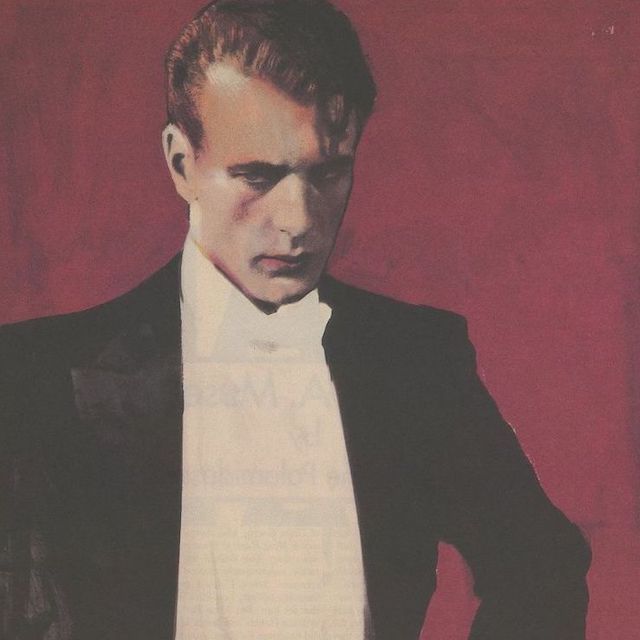
Formal wear is a language of precision: controlled lines, measured details, and traditions that have evolved just enough to stay relevant. This guide breaks down the foundations of black tie, white tie, and evening tailoring—from the structure of a proper dinner jacket to the fabrics, colours, and accessories that define true formal elegance. The aim isn’t excess or theatricality, but a clear understanding of how to dress with composure when the occasion calls for it.
Formal wear is one of menswear’s most enduring paradoxes. It is, on paper, the strictest of all dress codes—conservative, codified, ceremonial. And yet, within these rigid lines lies a surprising amount of subtle expression, the kind that reveals whether a man understands the occasion… or is simply playing dress-up in a rented penguin suit. Formal wear isn’t about peacocking or a misplaced desire to “stand out.” It’s about getting the details right so you look like you belong.
Black Tie: The Dinner Jacket’s Subtle Authority
When the invitation says black tie, it’s not an invitation to reinterpret history. A dinner jacket is not the time for dramatic flourishes or “modern twists,” unless one's goal is to resemble a game-show host. Instead, think in terms of clarity.
The Jacket
Single-breasted is the safe default; double-breasted offers a touch more gravitas (and requires better posture).
Lapel style: Peak lapels are traditional; shawl lapels lean more relaxed but equally valid.
Lapel width: Around 9–10 cm keeps the proportions contemporary without straying into parody.
Fabric: Black or midnight blue wool barathea—the velvety matte finish remains unmatched. Grain de poudre is also quite elegant.
Shoulders: Structured, but not militaristic. A clean line, not a costume. At Sky Blue, we like a slightly high roped sleeve head.
Trousers
Side adjusters only. Belt loops are a cardinal sin.
Braiding: A single satin stripe. Not two. Not three. One.
Cut: Clean, high-rise, with a soft break.
Shirt
Marcella or pleated front, but keep the pleats narrow.
Collar: Classic spread or wing—just ensure the collar doesn’t fight the bow tie.
Studs: Discreet. Anything too shiny drifts into novelty territory.
Bow Tie
Self-tied. If you wear a pre-tied bow, someone will notice, and that someone will tell others.
Material: Black silk, matte or subtly textured. We particularly like silk faille or ottoman silk.
White Tie: The Menswear Equivalent of Latin
White tie is formality at its purest—so rare that many modern wardrobes have never encountered it. When it appears, it should be treated with the reverence of a museum artifact, not an opportunity for invention.
The Components:
A black tailcoat, cut close to the body.
A white marcella waistcoat, low-cut, crisp as starched paper.
A white bow tie—again, self-tied.
High-waisted trousers with double braiding.
Patent leather shoes.
Anything beyond this—bright waistcoats, novelty studs, experimental proportions—is best confined to opera costume departments, where it belongs.
Evening Suits: The Softer Interpretation
Some invitations simply say “formal” or “evening dress.” This is where the waters become less deep but still require careful swimming.
The Evening Suit
Think of it as the dinner jacket’s civilian cousin:
Dark colours—midnight blue, deep charcoal, black.
Fabric: Something with a slight sheen: mohair blends, fine worsted.
Lapels: Slightly narrower than true black tie, around 8–9 cm.
Shirt: Plain, crisp white. No studs.
Tie: Black silk or a deep colour, but nothing too jarring.
It should feel dressed-up without entering tuxedo territory.
Accessories: The Places Where Men Go Wrong
Shoes
Patent Oxfords, or proper opera pumps, for black tie and white tie.
Highly polished calf for evening suits.
Anything with broguing, thick soles, or monk straps is a firm no.
Pocket Square
White. Linen. Folded simply. Origami belongs elsewhere.
Cummerbund
Optional but elegant, provided it isn’t shiny enough to reflect candlelight.
Socks
Black. Over-the-calf.
SKY BLUE
Est. 2019