BUSINESS
STYLE GUIDE
Our Style Guide for Business Attire.
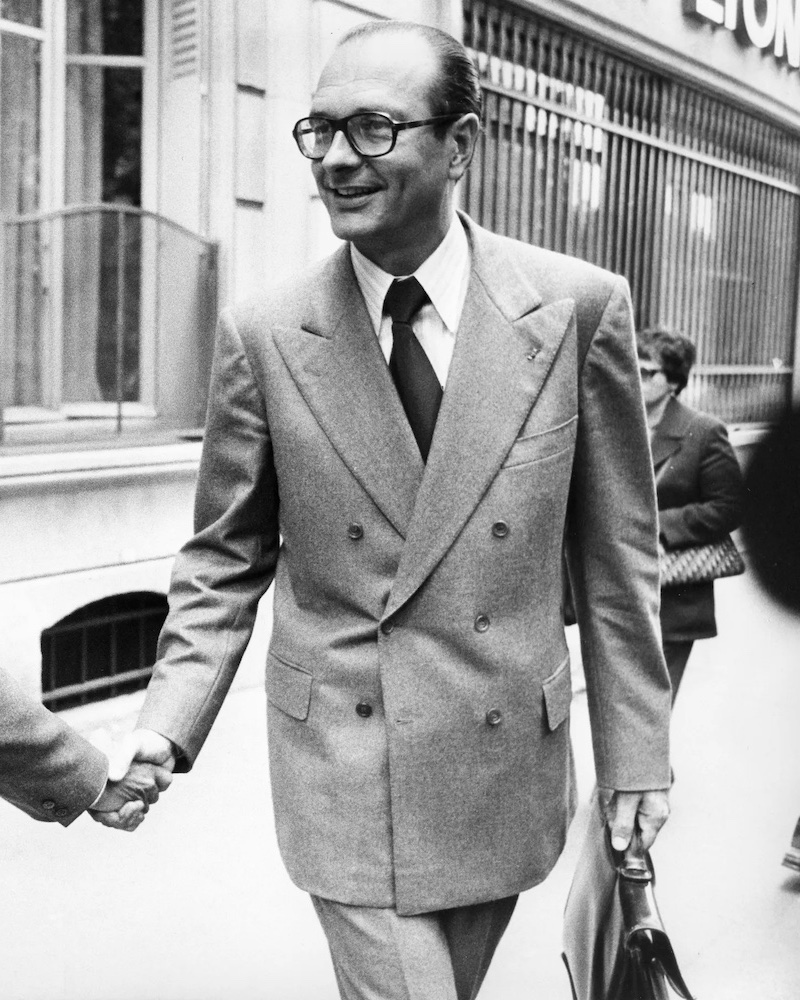
Jacques Chirac looking rather professional.
Business dress is ultimately about clarity, coherence, and purpose. This guide explores the foundations of a well-considered work wardrobe—from tailored suits and smart separates to shirts, shoes, and the fabrics that hold up through long days. Whether your environment leans formal or more relaxed, the aim is to understand the pieces that create a professional, confident appearance without excess or trend-driven noise.
Dressing for the workplace is rarely just about clothes. It’s a theatre of pride, insecurity, ambition, and the occasional territorial skirmish, all played out in wool and leather. At its best, business attire presents a person as competent, composed, and quietly self-assured. At its worst, it veers toward the dispiriting—think the limp, corporate suit-and-tie combo that died a thousand deaths in an open-plan office—or, conversely, the overcooked ensemble that suggests its wearer has mistaken the boardroom for a runway. Striking the right balance is less about flash and more about judgment: knowing how to look put together without looking try-hard.
1. The Suit: Structure Without Stiffness
Two-Button Jacket (Your Daily Driver)
The most reliable choice for almost any business environment.
Lapel width: 8–9 cm—wide enough to look intentional, narrow enough to avoid fashion-victim territory.
Shoulders: A natural or lightly padded shoulder keeps things modern; sharp pagoda shoulders look elegant but can feel theatrical depending on your workplace.
Length: Aim for a jacket that covers the seat without drowning you.
Colours: Navy, charcoal, and mid-grey are your foundation. Dark brown or dark warm grey work in creative environments.
Double-Breasted Jacket (For Gravitas)
More presence, still appropriate—if handled with restraint.
Button stance: The classic 6×2 configuration is safest.
Lapel width: Slightly wider—around 9–10 cm—because a narrow DB lapel looks apologetic.
Shoulders: Keep padding subtle so it doesn’t slide into “finance cosplay.”
Fabrics: Worsted wool, flanelle, fresco, or a subtle grain de poudre works beautifully; avoid loud chalk stripes unless you’re intentionally referencing 1980s London banking (and you shouldn’t be).
2. Trousers: Clean, Quiet Lines
Rise: Mid-rise keeps the silhouette balanced and helps the jacket fall cleanly.
Pleats: One pleat adds comfort and elegance; two pleats are stylish but can feel overly classical in some environments.
Hem: A slight break is safe; a clean, no-break hem looks sharp with slimmer lines.
Colours: Stick to the same palette as your jackets—grey, navy, brown, or subtle patterns like a micro-check.
3. Fabrics: Let Texture Speak for You
In business dress, fabrics do the heavy lifting.
Worsted wool (Super 100s–120s): Durable, professional, and not overly shiny.
Serge & Sharkskin: Understated texture that photographs well under office lighting.
Flannel (in winter): Soft authority. Stick to mid-grey or dark grey to avoid looking professorial.
Fresco (in summer): Breathable and crisp—never limp.
Avoid overly delicate high-super fabrics (140s+). They crease, shine, and suggest style over sense.
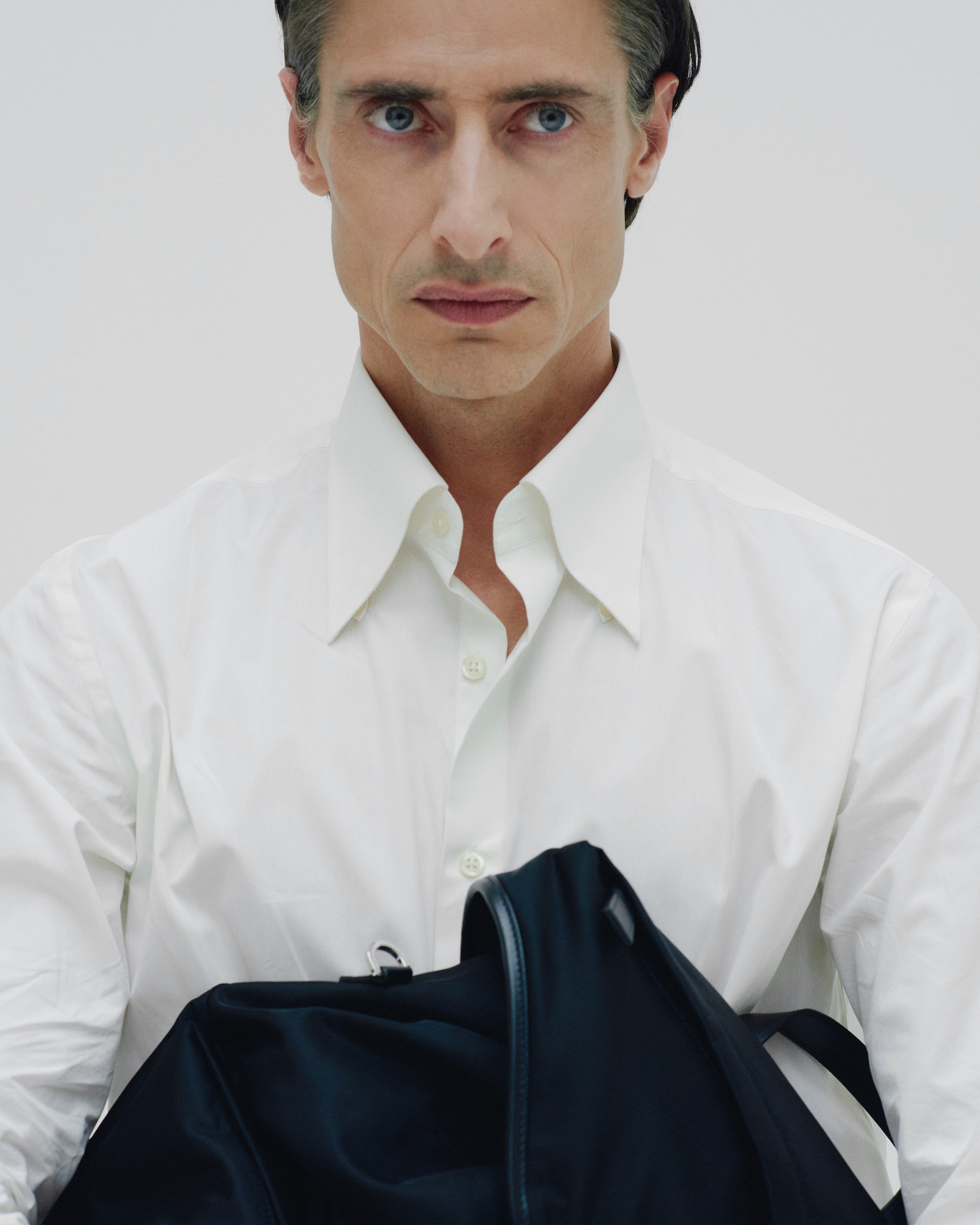
Photography by Anne Piqué, shirt by ATUL Paris
4. Shirts: Crisp, Not Clinical
Colours: White, ice blue, and banker blue are eternal. A fine stripe is acceptable; bold stripes belong to estate agents.
Collars: A spread collar (with moderate height) frames the face and accommodates business ties.
Cuffs: Button cuffs are fine; French cuffs are elegant but can feel affected if overused.
Fabric: Poplin is the safest; twill adds texture; Oxford is for more relaxed environments.
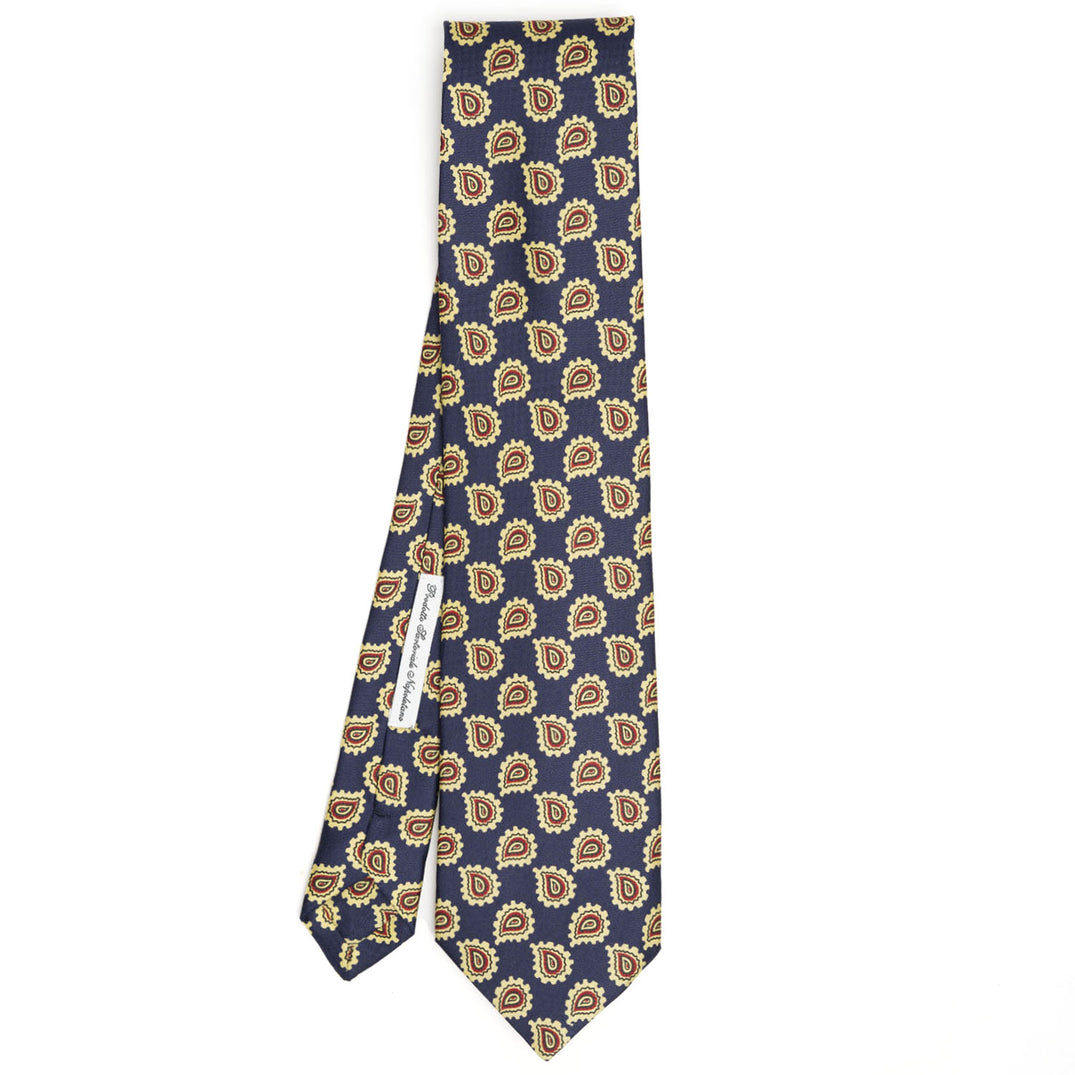
Tie from E. Marinella
5. Ties: A Hint of Taste, Not a Mood Board
Width: 7–8 cm—a balanced proportion with today’s lapels.
Patterns: Small geometric patterns, discreet stripes, and textured solids. Avoid loud prints or novelty themes.
Materials: Silk, grenadine, or wool-silk blends for winter.
If the tie screams, the outfit whispers apologies.
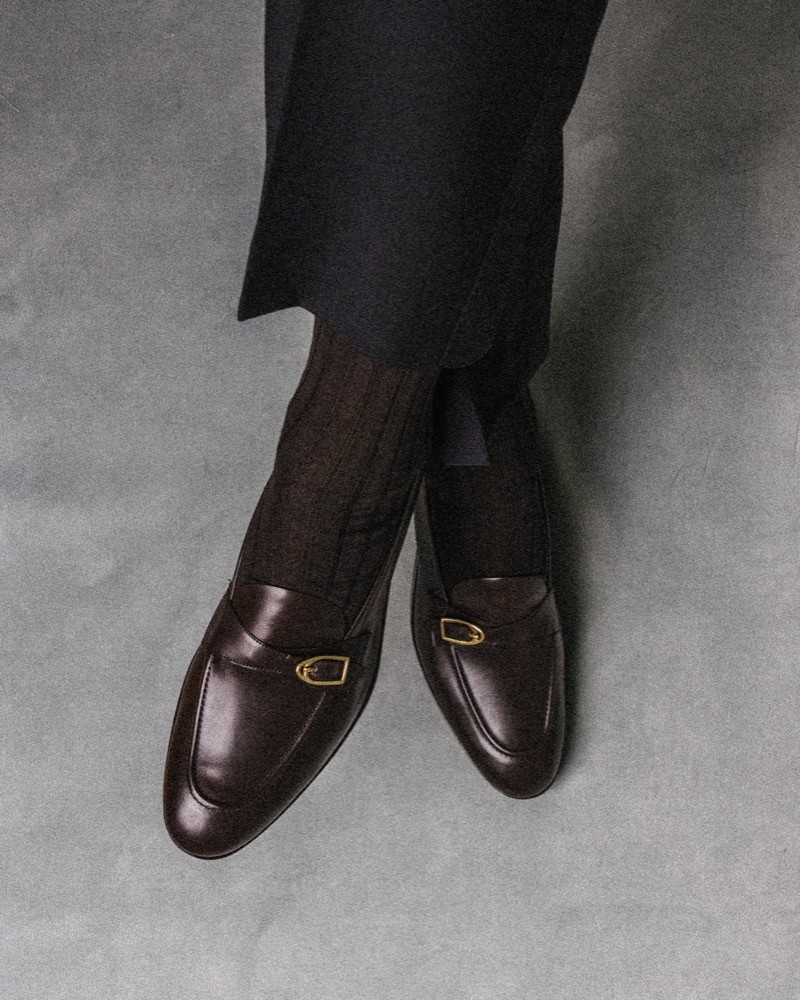
Photography by Louis Duvinage, Shoes from Carmina
6. Shoes: Serious, Not Severe
Oxfords: Black cap-toes are the hard default. For softer looks, dark brown or burgundy.
Derbies: Good for wider feet or more relaxed offices.
Loafers: Fine in business-casual settings—choose leather soles and slim silhouettes.
Avoid: Chunky soles, heavy broguing, or anything aggressively pointy.
7. Knitwear & Layering
Merino crewnecks: Layered under tailoring in winter without adding bulk.
Fine-gauge turtlenecks: Acceptable on jacket-only days. Choose charcoal, navy, chocolate, or black.
Cardigans: Slim and dark; never grandad-thick under a suit.
8. Outerwear: Keep the Line Moving
Classic topcoat: Navy, charcoal, or camel - This may be controversial, but we believe black is adequate too.
Trench coat: Beige, sage, or stone, clean lines, minimal epaulettes.
Rain mac: Navy or olive, especially useful in cities.
Avoid puffer jackets over suits—unless the goal is looking like a winter commuter squeezed in a metro corridor.
9. The Colours That Always Work
Navy (safe, versatile)
Charcoal grey (authoritative)
Mid-grey (approachable professionalism)
Chocolate brown (modern and elegant)
Warm grey (smart for more creative industries)
If in doubt, keep the palette cool, dark, and harmonious.
SKY BLUE
Est. 2019