CRAFT FOCUS
TAILORING & CRAFT
Understanding the details of craft that create quality pieces.
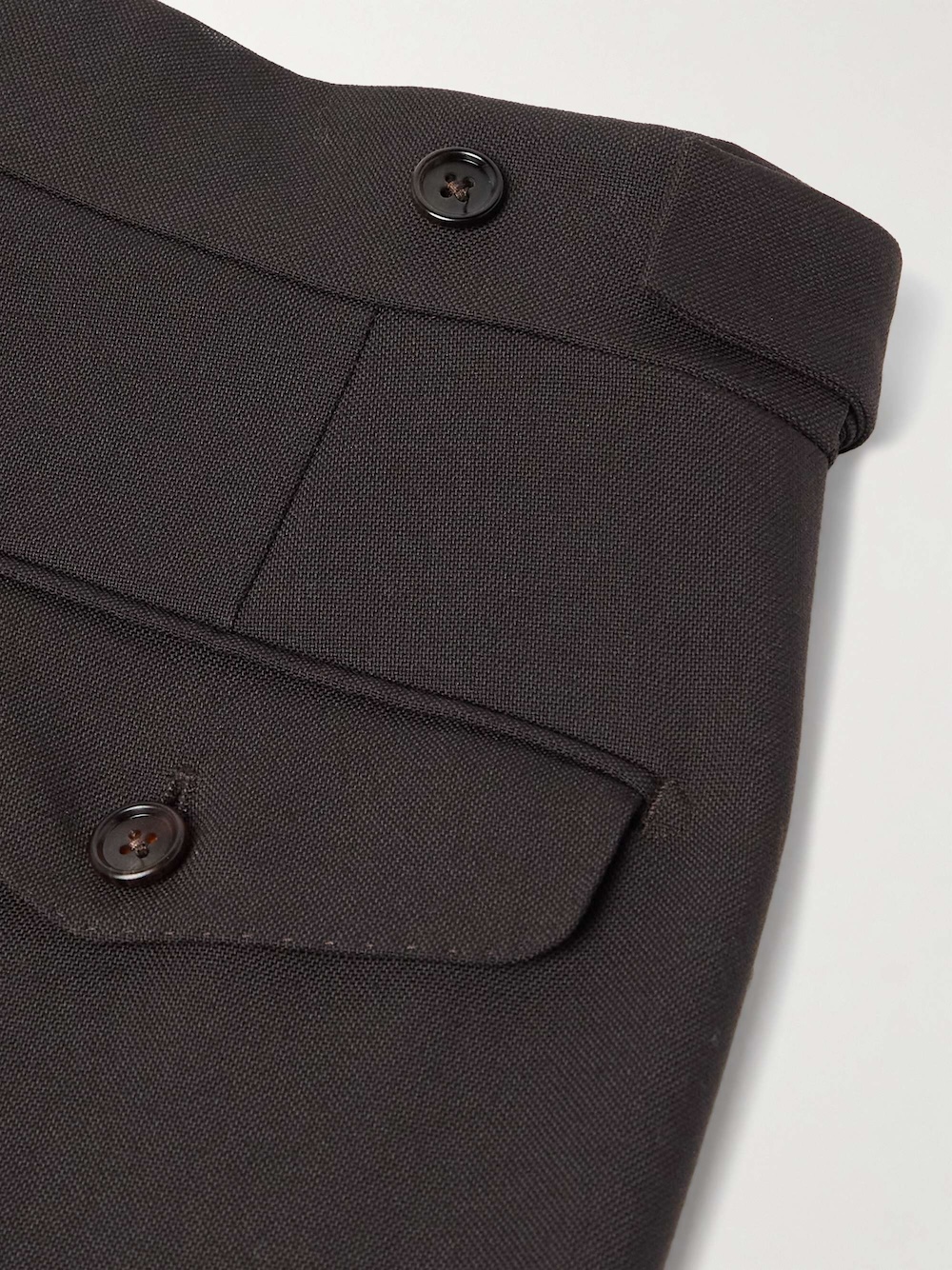
Tailoring is an art where every detail matters, from fabric selection to stitching and finishing touches. In this guide, we explore the craftsmanship behind high-quality menswear, highlighting fabrics created specifically for suits, the hand and machine stitching techniques that ensure structure and durability, and the careful selection of buttons for each type of garment. Whether you are a tailoring enthusiast or simply curious about what makes a suit exceptional, this page breaks down the elements that define true handmade quality and timeless elegance.
1. Fabrics Created for Menswear
The foundation of any tailored garment is its fabric. Some fabrics are specifically engineered to meet the demands of men’s tailoring:
Wool and Worsted Wool: The classic choice for suits, prized for durability, breathability, and drape. Worsted wool offers a smooth, fine finish ideal for formal wear.
Tweed and Flannel: Traditionally used for sportier or country suits, these fabrics provide warmth, texture, and resilience.
Cotton and Linen: Lightweight, breathable fabrics often used for summer tailoring or casual jackets.
Silk and Wool-Silk Blends: Luxurious options for formalwear or statement pieces, offering subtle sheen and soft drape.
Cashmere and Cashmere Blends: Ultra-soft, warm, and lightweight, often used in high-end coats and jackets.
Each fabric is chosen based on the garment’s purpose, season, and the desired balance of structure and fluidity.
2. Stitching Techniques
The quality of stitching is a hallmark of true craftsmanship:
Pad Stitching: Used in lapels and collars, this hand-stitching technique allows the fabric to roll naturally while maintaining structure.
Basting: Temporary hand-stitching to hold layers together during fittings, essential in bespoke tailoring.
Pick Stitching: Decorative stitching along edges and seams, subtle but indicative of handmade quality.
Hand-Set Sleeves and Side Seams: Ensures mobility, natural drape, and a precise fit.
Each stitch is a deliberate choice, balancing strength, flexibility, and aesthetic appeal.
3. Buttons: Material and Selection
Buttons are small, yet critical details that reflect both function and style. Tailors select buttons according to the fabric, formality, and purpose of the garment:
Horn Buttons: Derived from natural horn, these are warm-toned, durable, and classic for suits and jackets.
Mother-of-Pearl: Lustrous and elegant, commonly used in shirts or high-end jackets.
Metal Buttons: Used for double-breasted jackets, blazers, and military-inspired pieces for a polished, formal look.
Acrylic Buttons: A modern, versatile option that mimics natural materials at a lower cost, often used for casual jackets or mid-range tailoring.
Leather-Covered Buttons: Rarely used, but add texture and luxury to custom garments.
Fabric-Covered Buttons: Covered with the same or complementary fabric, they offer a subtle, seamless look, often used in bespoke or couture garments such as tuxedos and wedding attire.
Buttons are often hand-sewn with shanks, allowing the fabric to move freely without stressing the buttonhole. Their size, color, and finish are carefully matched to the garment’s weight, style, and season, ensuring both function and aesthetic harmony.
4. Choosing Materials and Details
A suit’s excellence lies in how all elements—fabric, stitching, and buttons—work together:
Lightweight fabrics pair with finer buttons and delicate stitching to preserve fluidity.
Structured fabrics use stronger stitches and more robust buttons to maintain shape.
Seasonal adjustments: Linen suits may feature natural horn or mother of pearl buttons, while winter wool suits often use heavier horn or metal buttons.
Every choice reflects intention, craftsmanship, and an understanding of how the suit will live on the wearer.
5. Conclusion
True tailoring is the combination of materials, skill, and attention to detail. From fabrics designed specifically for menswear to hand-stitched seams and carefully chosen buttons, each element is a testament to craftsmanship. Appreciating these subtleties transforms a suit from a garment into a work of art—a reflection of both the artisan and the wearer.
SKY BLUE
Est. 2019