TWEED
THE COMPLETE GUIDE
Written by James V. Thomas
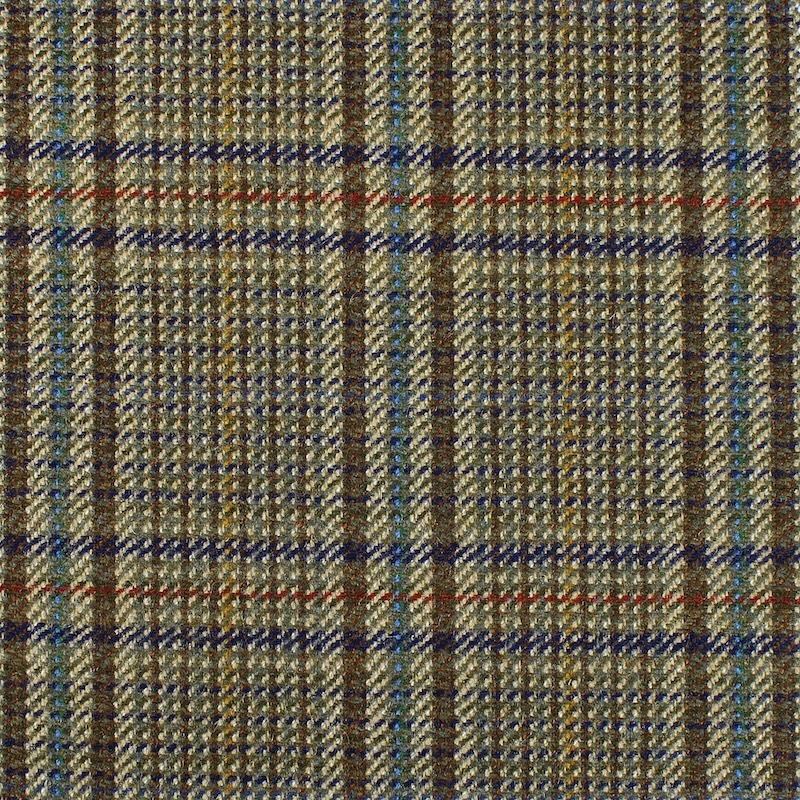
A gorgeous example of check tweed.
“So what I believe in is this timelessness of some of these things. The timelessness of an old tweed jacket and suede elbow patches.”
Ralph Lauren
INTRODUCTION TO TWEED
Few fabrics in menswear carry as much cultural weight and sophistication as tweed. Originally a rugged cloth woven for protection against the cold, wet climates of Scotland and Ireland, tweed evolved into one of the most refined staples of tailored clothing—from country jackets to elegant city suits. Today, it occupies a unique space: heritage and technical performance blended into timeless style.
Below is a comprehensive guide to the main tweed types, regional variations, ideal uses in menswear, and the storied mills that shaped its legacy.
GENERAL TYPES OF TWEED
Tweed is not defined by a single pattern but rather by a family of weaves and structures. The most common types include:
Herringbone
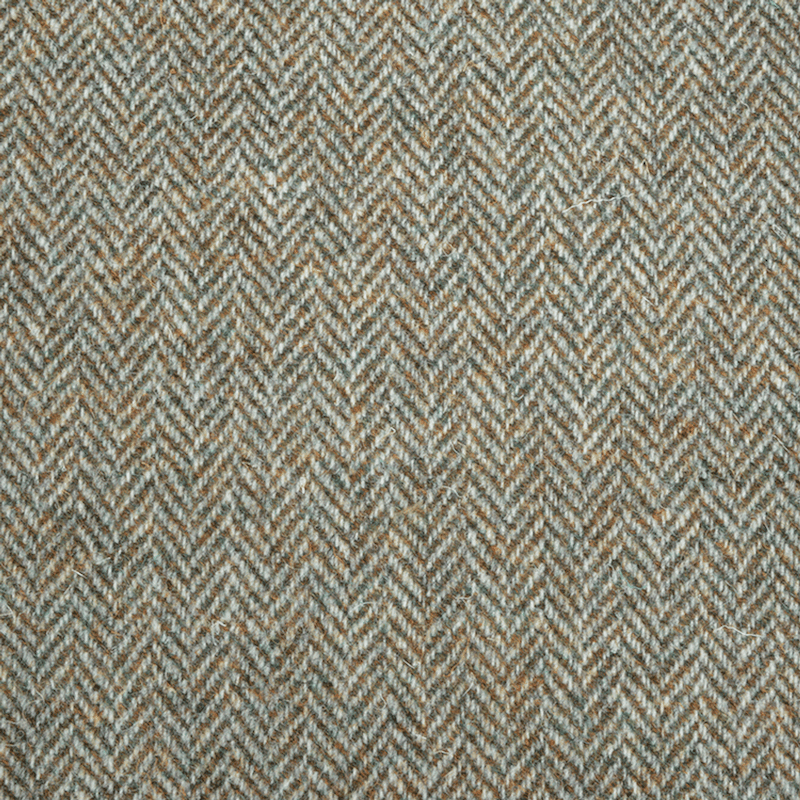
A V-shaped zigzag pattern with beautiful movement and a soft, tailored drape. Ideal for jackets, suits, and overcoats.
Twill
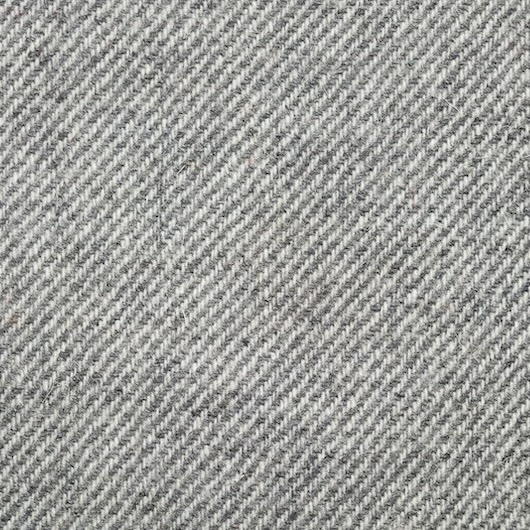
A diagonal rib weave that gives tweed a cleaner, smoother face. Highly versatile and excellent for refined tailoring.
Houndstooth

A bold broken-check pattern in larger or smaller scales. Classic for sport coats.
Check
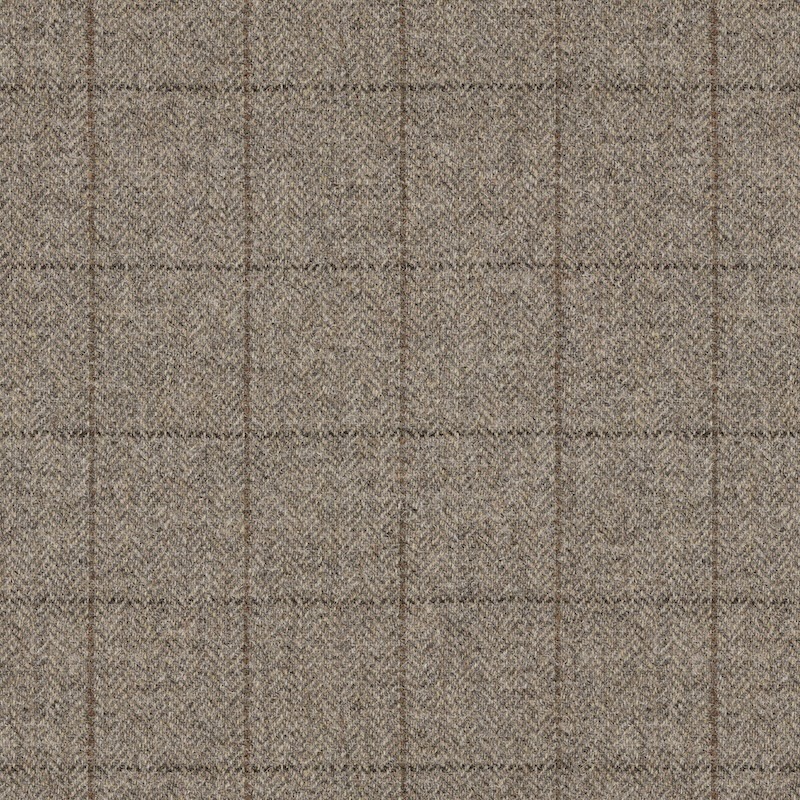
A large category including Prince of Wales, windowpane, gun club, and shepherd’s check—each offering a distinct level of formality and character.
Plain Weave
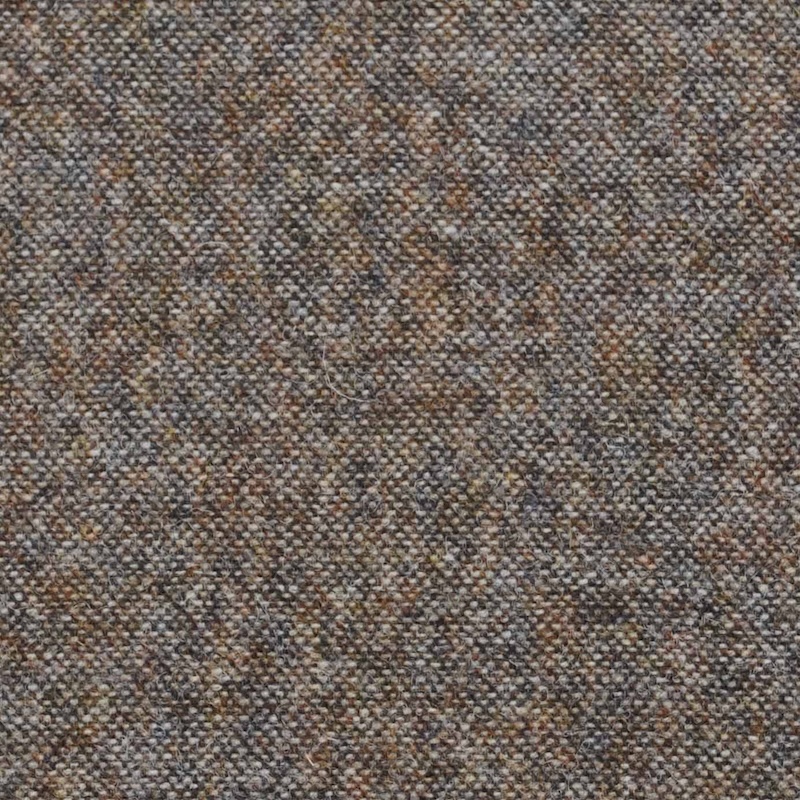
Irregular, rustic, and closest to true handweaving. Traditionally used for countrywear.
Speckled
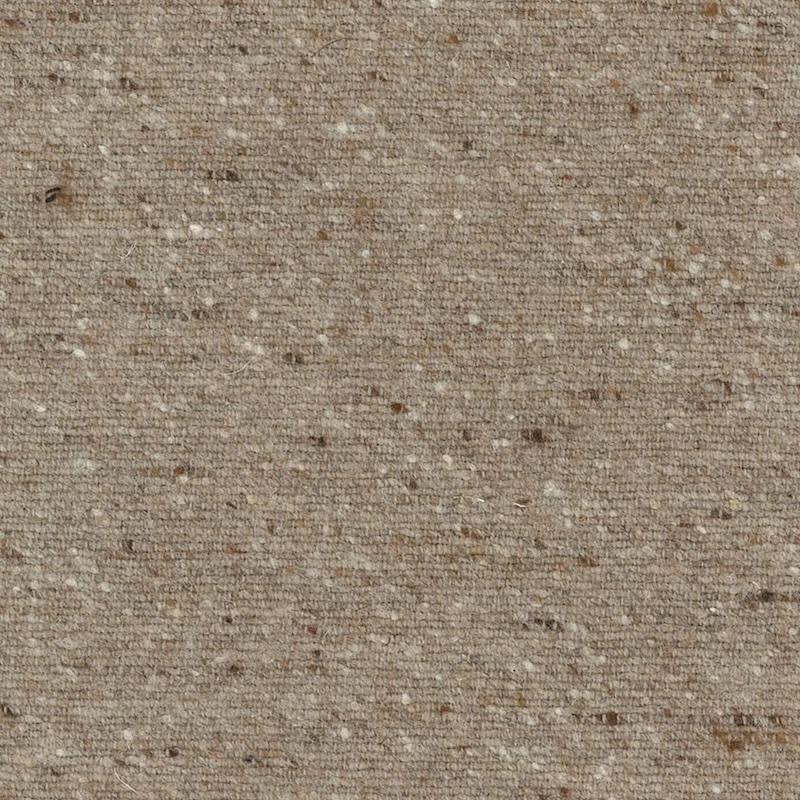
Defined by colorful flecks (neps) scattered across the surface. Soft, lively, and iconic.
Barleycorn
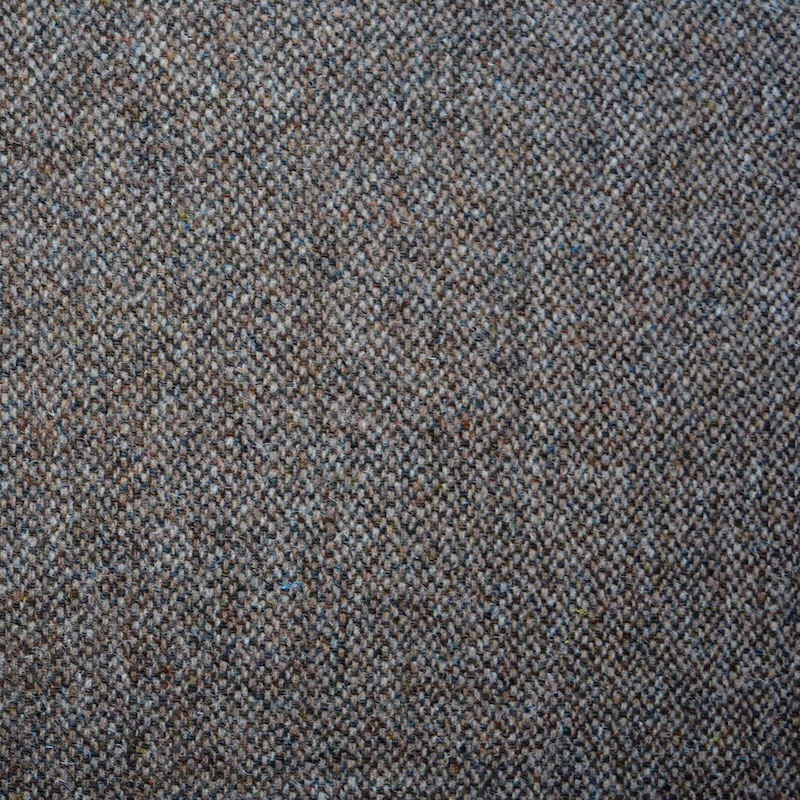
A textured, triangular “grain” pattern best suited for sport coats and casual tailoring.
Saxony
A fine, soft tweed woven from merino-type wool, known for elegant drape and suitability for suits.
REGIONAL & TRADITIONAL TWEEDS
Tweed’s identity is deeply tied to place. The most famous regional traditions include:
Harris Tweed
Scotland, Outer Hebredies
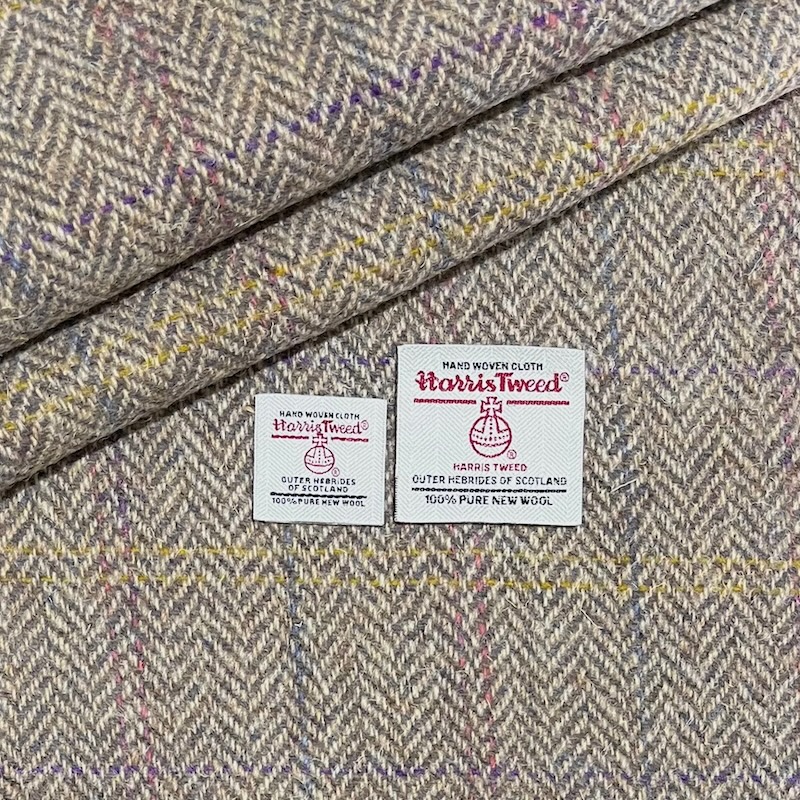
Handwoven by islanders in the Outer Hebrides. Sturdy, richly textured, and known for its vibrant color blends. Protected by the 1909 Harris Tweed Act.
Donegal Tweed
Ireland, County Donegal
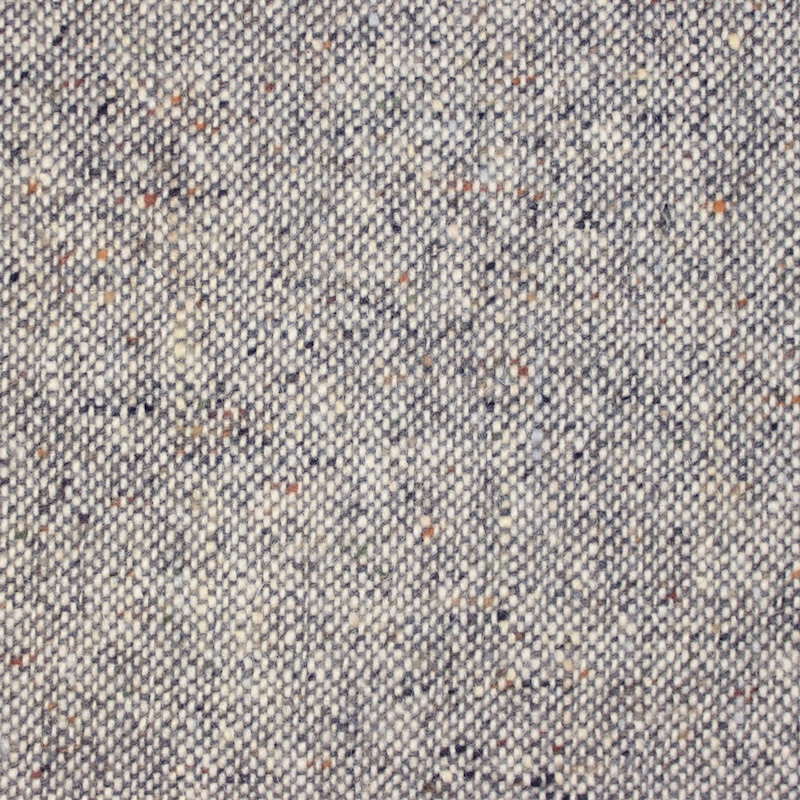
Renowned for its colorful flecks and soft handle. Comes in everything from herringbone to complex checks. Magee is the most famous producer.
Shetland Tweed
Scotland, Shetland Islands
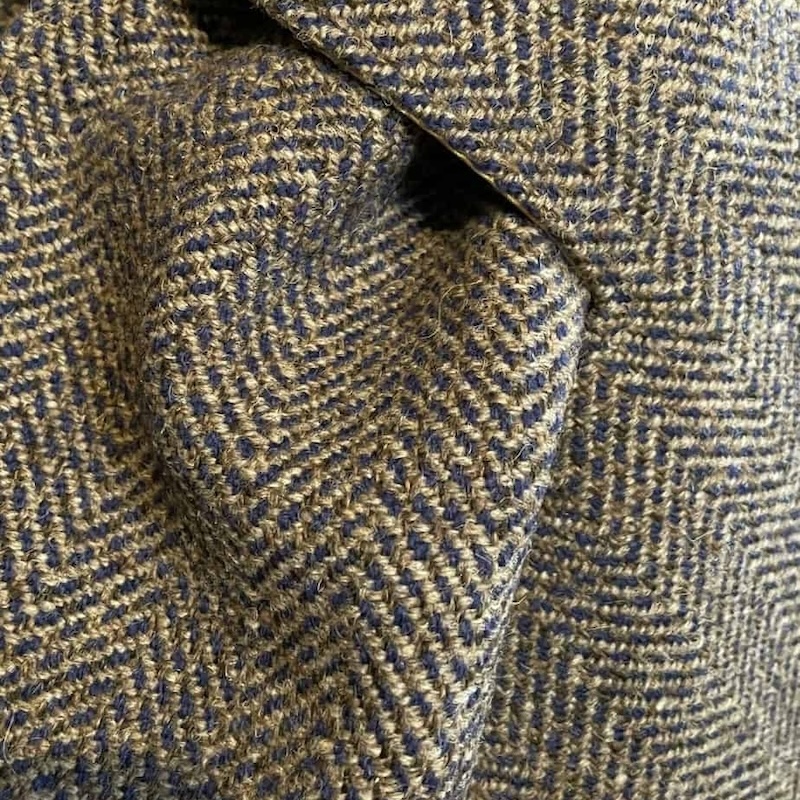
Lighter and softer, woven from Shetland sheep wool. Excellent for sport coats and knit-adjacent tailoring.
Cheviot Tweed
Scotland & Northern England, Cheviot Hills
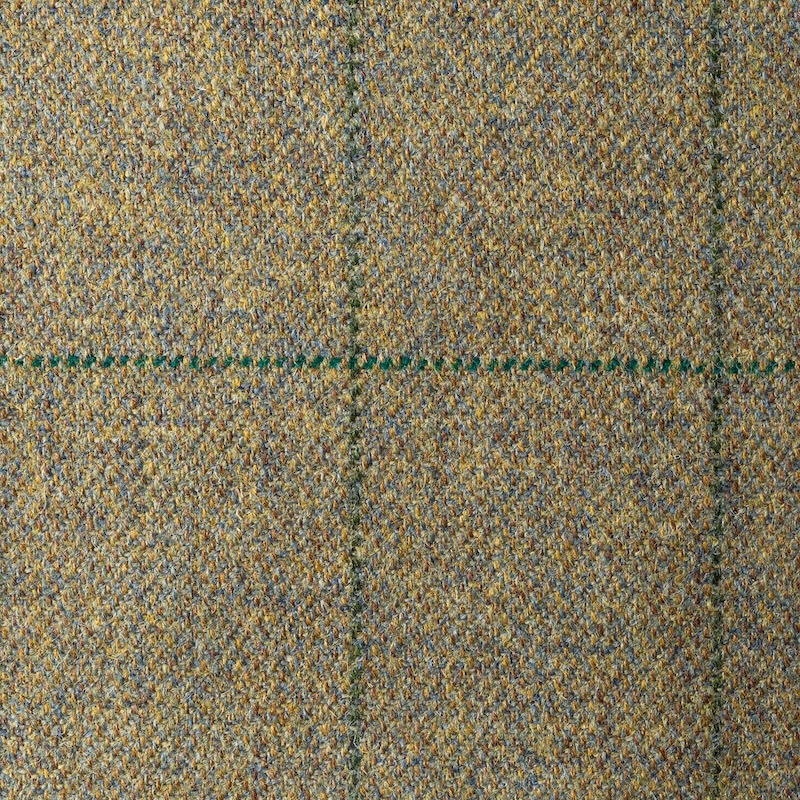
Heavier, firmer, and extremely durable. Historically used for hunting and outdoor garments.
Yorkshire Tweed
England

Handwoven by islanders in the Outer Hebrides. Sturdy, richly textured, and known for its vibrant color blends. Protected by the 1909 Harris Tweed Act.
TWEED IN MENSWEAR : WHERE AND WHEN TO WEAR IT
Different tweeds perform beautifully in different garments. Here are the essential applications:
Sport Coats
The classic tweed garment. Herringbone, checks, and Donegal flecked weaves make jackets with warmth, texture, and effortless casual elegance.
Suits
Best made from smoother tweeds like Saxony, twill, or smaller-scale herringbones. The result is a sophisticated winter suit that feels both traditional and modern.
Overcoats
Tweed excels in outerwear thanks to its density and weather resistance. Herringbone, twill, and heavier Cheviot tweeds produce drapey, substantial coats.
Trousers
Lighter twill or Saxony tweeds hold a crisp crease while remaining soft against the skin. Best in subtle herringbones or muted checks.
Country and Outdoor Wear
Plain, Cheviot, and robust Harris tweeds offer durability and warmth in functional garments like field jackets and shooting coats.
FAMOUS TWEED MILLS
Tweed’s heritage is inseparable from the mills that perfected the craft. A few of the most influential:
Harris Tweed Hebrides (Scotland)
Headquartered in Shawbost on the Isle of Lewis, it is the leading producer of authentic Harris Tweed. Every meter is handwoven in private homes across the islands and finished to exceptionally high standards. Its label—with the Orb trademark—is globally recognized.
Magee 1866 (Ireland)
Founded in Donegal Town, Magee transformed local cottage weaving into an international textile trade. Their flecked Donegal tweeds are legendary and remain central to modern Irish textile identity.
Lovat Mill (Scotland)
Located in Hawick, Lovat is known as the “Home of Tweed.” They specialize in estate and sporting tweeds, producing fabrics for British aristocratic estates for over a century.
Abraham Moon & Sons (England)
Based in Yorkshire and one of the few fully vertical mills in the UK (dyeing, spinning, weaving, finishing all under one roof). Their tweeds are refined, consistent, and popular among luxury RTW brands.
Johnstons of Elgin (Scotland)
Renowned for cashmere but also a historic producer of high-end tweeds, merging Scottish tradition with luxury finishing techniques.
Kynoch of Scotland
Producers of characterful tweeds with rich color depth, often chosen by bespoke tailors seeking a traditional but refined aesthetic.
SKY BLUE
Est. 2019