HISTORY
Torsos, AndyWarhol
WRITTEN BY JAMES V. THOMAS
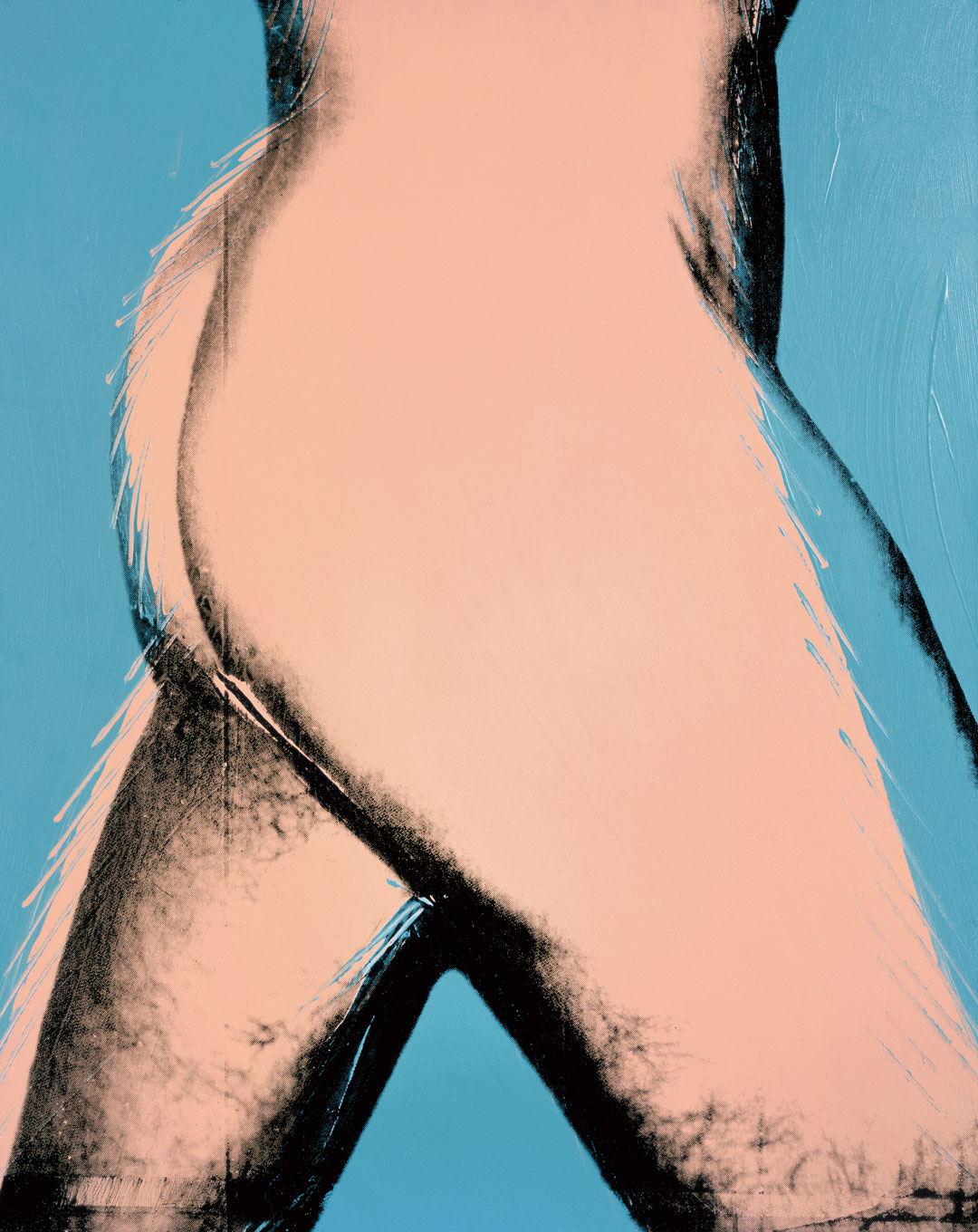
Torso (male buttocks) from Andy Warhol's Torso series.
In an era still governed by propriety, Andy Warhol was already pushing insistently against its edges. While society clung to decorum, Warhol was producing imagery that confronted the body head-on, unfiltered and unapologetic. Displaying such work, however, was another matter entirely.
By the early 1960s, Warhol had completed his photographic series Sex Parts—explicit, confrontational, and destined never to be exhibited during his lifetime. The open depiction of fornication and fellatio remained unshowable, even for an artist skilled at testing boundaries. Yet Warhol, ever strategic, found another way.
The solution came in the form of Torsos: cropped, fragmented bodies that translated desire into form, abstraction, and repetition. Stripped of faces and narrative, these images were deemed acceptable to the art world—proof that Warhol understood precisely how far he could go, and how to cloak provocation in a language institutions were prepared to endorse.
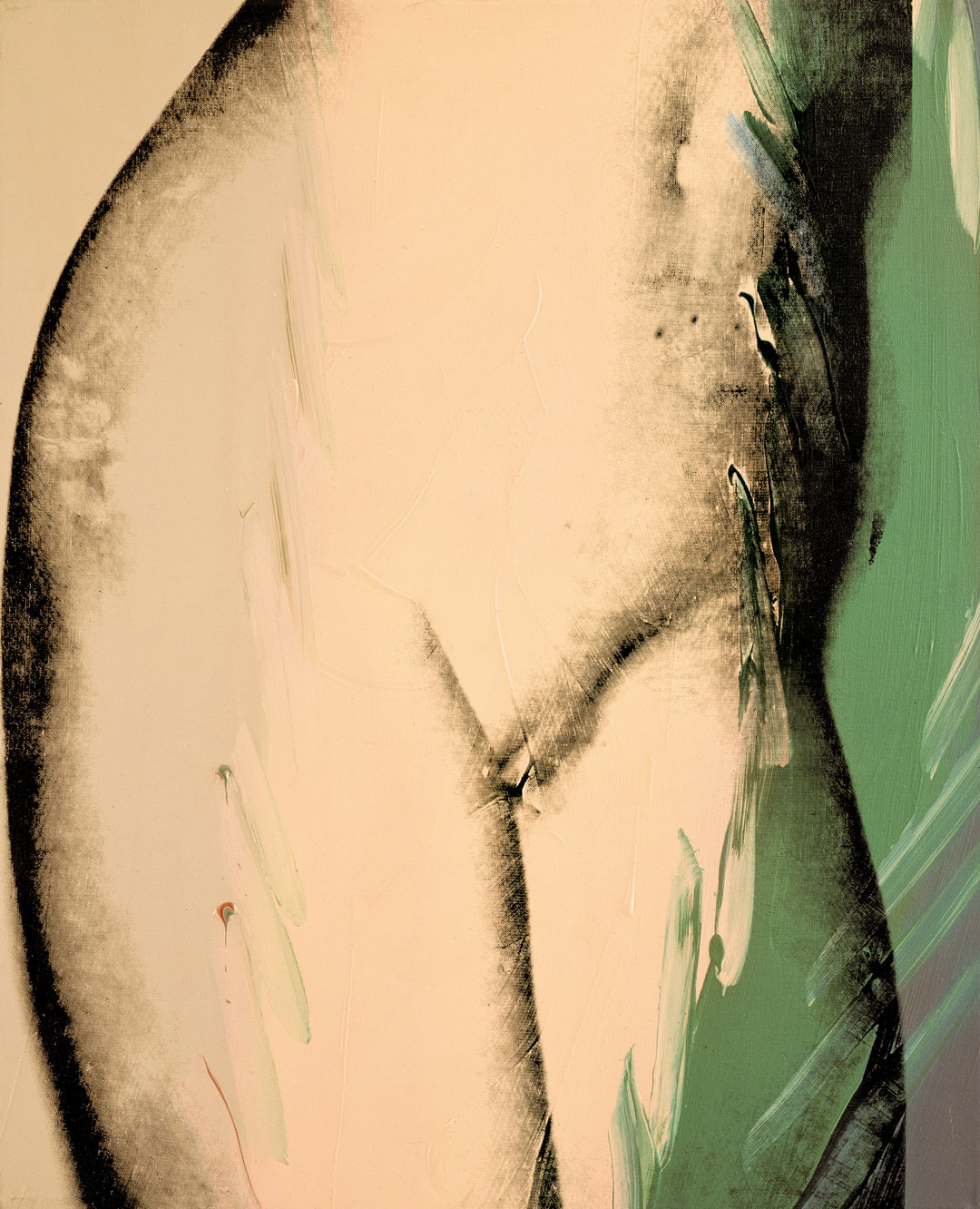
Torso (female genitalia) from Andy Warhol's Torsos series.
At a time when homosexuality was not merely condemned but criminalized—punishable, in some cases, by imprisonment—Torsos emerged as a radical intervention. These were not classical nudes softened by myth or allegory, but contemporary bodies presented for a world unprepared to confront them. Warhol thrust the male & female form into the unforgiving glare of international criticism, forcing the art establishment to look, and to reckon.
With typical provocation, Warhol referred to these works as “landscapes,” a term that flattened both subject and image into terrain to be surveyed. Flesh became topography; desire, geography. It was a linguistic sleight of hand that revealed Warhol’s acuity—his ability to reframe what was forbidden into something that could circulate, be discussed, and ultimately be absorbed by the canon.
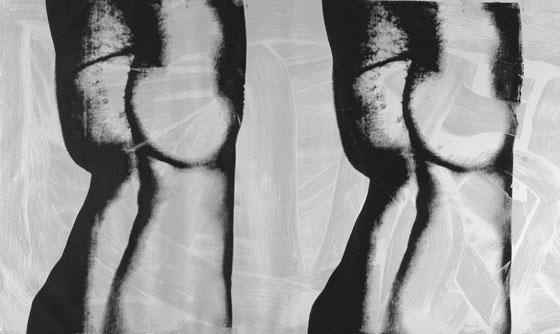
"Don't pay any attention to what they write about you. Just measure it in inches."
Andy Warhol
Torsos would come to stand as one of the jewels of Warhol’s oeuvre, a body of work whose influence has proved both persistent and far-reaching. Its imagery has circulated endlessly, embedding itself within the visual language of gay culture, where the male body is neither apologetic nor idealized, but claimed.
The series even crossed into cinema, most memorably in American Gigolo, where a Torsos image hangs behind Richard Gere as he sits in his patron’s house. The photograph is no mere set dressing: it operates as a coded signal of desire, power, and self-fashioning—Warhol’s vision reframed for a new decade, yet still charged with the same subversive force.
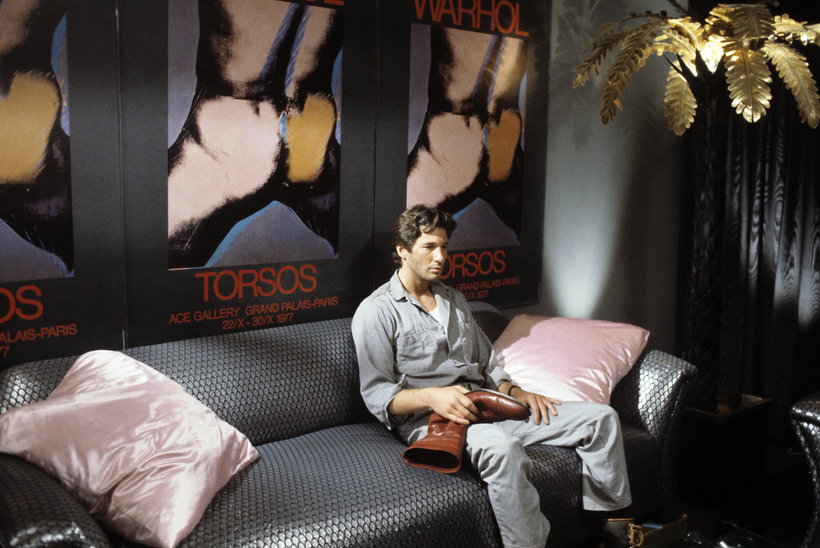
Richard Gere in "American Gigolo" flanked by multiple posters for the Torsos exhibition by the Ace Gallery at the Grand Palais, Paris, 1977.
Sex Parts; however, would go on to never be shown during Andy's lifetime, being only sold to a handful of collectors. That said, It is definitely worth a google search. You won't be disappointed.
SKY BLUE
Est. 2019